




Greece
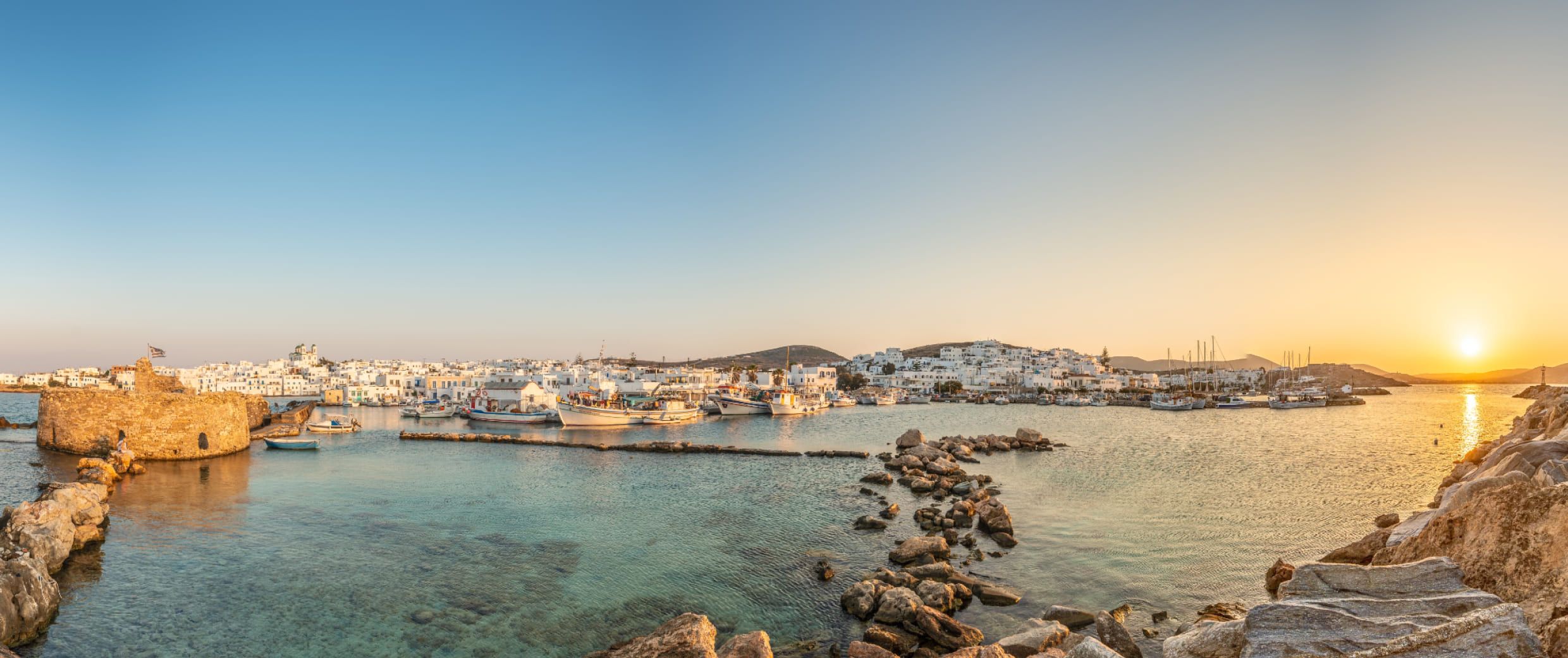
Greece is a magnificent destination that sets the tone for an amazing vacation experience. This country is blessed with a wealth of cultural and natural treasures that leave visitors in awe. The ancient ruins of the Acropolis in Athens, the historic city of Delphi, the stunning beaches of Santorini, Mykonos, and Crete, and the legendary Mount Olympus are just a few of the many attractions that draw tourists from around the world. Greece’s vivid history, breathtaking landscapes, and delicious cuisine make it a perfect destination for those seeking an adventure-filled getaway. Whether you are traveling with family, friends, or alone, Greece is sure to exceed your expectations and leave you with unforgettable memories.









Description made by ChatGPT
Food in Greece
Visiting Greece is an amazing experience for any tourist. It's a chance to explore the rich history and traditions of this beautiful country, and of course, sample their delicious cuisine. Greek food is known for its fresh ingredients and flavorful combinations.
One of the most popular dishes you'll find in Greece is the classic Greek salad, made with fresh tomatoes, cucumbers, onions, and feta cheese. It's the perfect refreshing dish to cool you off on a hot day. Another dish that you can never go wrong with is moussaka, a layered dish of eggplant, potatoes, ground beef, and béchamel sauce baked to perfection.
Greek cuisine also features plenty of seafood, and one of the best ways to appreciate this is by trying their grilled octopus, which is often served with olive oil and lemon juice. If you're a fan of meat, then you have to try some of their traditional souvlaki. These are skewered meats often served with pita bread and tzatziki sauce, which is made from yogurt, cucumber, and garlic.
Finally, no meal in Greece is complete without some of their famous sweets. Baklava is a must-try, a pastry filled with nuts and honey syrup. For something a little lighter, try some loukoumades, small doughnuts that are fried and topped with honey and cinnamon.
Overall, Greece has an incredible food scene that's waiting to be explored. From traditional dishes to modern fusion cuisine, there's something here for everyone to enjoy. So be sure to come hungry, and let your taste buds do the talking!
One of the most popular dishes you'll find in Greece is the classic Greek salad, made with fresh tomatoes, cucumbers, onions, and feta cheese. It's the perfect refreshing dish to cool you off on a hot day. Another dish that you can never go wrong with is moussaka, a layered dish of eggplant, potatoes, ground beef, and béchamel sauce baked to perfection.
Greek cuisine also features plenty of seafood, and one of the best ways to appreciate this is by trying their grilled octopus, which is often served with olive oil and lemon juice. If you're a fan of meat, then you have to try some of their traditional souvlaki. These are skewered meats often served with pita bread and tzatziki sauce, which is made from yogurt, cucumber, and garlic.
Finally, no meal in Greece is complete without some of their famous sweets. Baklava is a must-try, a pastry filled with nuts and honey syrup. For something a little lighter, try some loukoumades, small doughnuts that are fried and topped with honey and cinnamon.
Overall, Greece has an incredible food scene that's waiting to be explored. From traditional dishes to modern fusion cuisine, there's something here for everyone to enjoy. So be sure to come hungry, and let your taste buds do the talking!
Description made by ChatGPT
Amazing places to visit in Greece
Greece is one of the most popular tourist destinations in the world, known for its stunning beaches, history, and culture. As a tourist, there are several must-see places that you shouldn't miss out on during your trip.
Athens, the Greek capital city, is home to the iconic Acropolis, a citadel and ancient monument that dates back to the 5th century BC. The Acropolis is undoubtedly one of the most famous landmarks in the world and an essential tourist attraction. The Parthenon temple, which stands atop the Acropolis, is both a work of art and an architectural masterpiece.
Santorini, an island in the southern Aegean Sea, is also a must-visit destination. The island's postcard-perfect whitewashed buildings with blue domes and picturesque cliffside towns attract visitors from all over the world. The island's stunning beaches, crystal clear waters, and sunsets that are nothing short of awe-inspiring make it one of the most romantic destinations on the planet.
For those interested in ancient Greek history, a visit to Delphi is a must. Delphi is known for being the most important religious site in ancient Greece, with the Temple of Apollo and the Oracle of Delphi, which was believed to give prophecies and advice to those who sought it. The site remains a significant archaeological site today and attracts many tourists every year.
Finally, Greece is also synonymous with its world-renowned cuisine. Greek food is a delicacy in itself, with dishes like moussaka, gyros, and souvlaki, to name a few. And if you're a foodie, then you must explore the local markets or tavernas to sample the finest Greek cuisine.
In conclusion, Greece is an incredibly diverse destination with lots to offer for everyone. Whether you want to relax on exotic beaches, explore ancient ruins or indulge in mouth-watering dishes, Greece has it all.
Athens, the Greek capital city, is home to the iconic Acropolis, a citadel and ancient monument that dates back to the 5th century BC. The Acropolis is undoubtedly one of the most famous landmarks in the world and an essential tourist attraction. The Parthenon temple, which stands atop the Acropolis, is both a work of art and an architectural masterpiece.
Santorini, an island in the southern Aegean Sea, is also a must-visit destination. The island's postcard-perfect whitewashed buildings with blue domes and picturesque cliffside towns attract visitors from all over the world. The island's stunning beaches, crystal clear waters, and sunsets that are nothing short of awe-inspiring make it one of the most romantic destinations on the planet.
For those interested in ancient Greek history, a visit to Delphi is a must. Delphi is known for being the most important religious site in ancient Greece, with the Temple of Apollo and the Oracle of Delphi, which was believed to give prophecies and advice to those who sought it. The site remains a significant archaeological site today and attracts many tourists every year.
Finally, Greece is also synonymous with its world-renowned cuisine. Greek food is a delicacy in itself, with dishes like moussaka, gyros, and souvlaki, to name a few. And if you're a foodie, then you must explore the local markets or tavernas to sample the finest Greek cuisine.
In conclusion, Greece is an incredibly diverse destination with lots to offer for everyone. Whether you want to relax on exotic beaches, explore ancient ruins or indulge in mouth-watering dishes, Greece has it all.
Description made by ChatGPT
Best time to travel
Greece is an extremely popular tourist destination and it's no surprise that tourists flock to the country year-round. However, the best time to visit Greece depends on your personal preferences and what you want to do there.
If you're looking for hot weather and want to take advantage of the country's beautiful beaches, the summer months of June to August are the best time to visit. Temperatures soar to over 30 degrees Celsius during this time, and you can enjoy swimming in the warm waters of the Aegean and Mediterranean Seas. However, keep in mind that this is peak season and the crowds can be overwhelming, especially in popular destinations like Santorini and Mykonos.
If you prefer milder temperatures, then the shoulder season of May and September may be more suitable. The days are still warm enough for swimming and outdoor activities, but the crowds are thinner and the prices are more affordable. This is also the best time to explore the Greek islands, as the ferries run more frequently and the weather is generally stable.
Lastly, if you're interested in exploring the ancient ruins and historical landmarks of Greece, the best time to visit would be in the spring (March to May) or autumn (September to November). The temperatures are cooler and the crowds are thinner, allowing for a more peaceful and immersive experience.
Overall, Greece is a beautiful country that can be enjoyed year-round. Depending on your preferences, there is always a perfect time to visit this Mediterranean gem.
If you're looking for hot weather and want to take advantage of the country's beautiful beaches, the summer months of June to August are the best time to visit. Temperatures soar to over 30 degrees Celsius during this time, and you can enjoy swimming in the warm waters of the Aegean and Mediterranean Seas. However, keep in mind that this is peak season and the crowds can be overwhelming, especially in popular destinations like Santorini and Mykonos.
If you prefer milder temperatures, then the shoulder season of May and September may be more suitable. The days are still warm enough for swimming and outdoor activities, but the crowds are thinner and the prices are more affordable. This is also the best time to explore the Greek islands, as the ferries run more frequently and the weather is generally stable.
Lastly, if you're interested in exploring the ancient ruins and historical landmarks of Greece, the best time to visit would be in the spring (March to May) or autumn (September to November). The temperatures are cooler and the crowds are thinner, allowing for a more peaceful and immersive experience.
Overall, Greece is a beautiful country that can be enjoyed year-round. Depending on your preferences, there is always a perfect time to visit this Mediterranean gem.
Description made by ChatGPT