



Cyprus
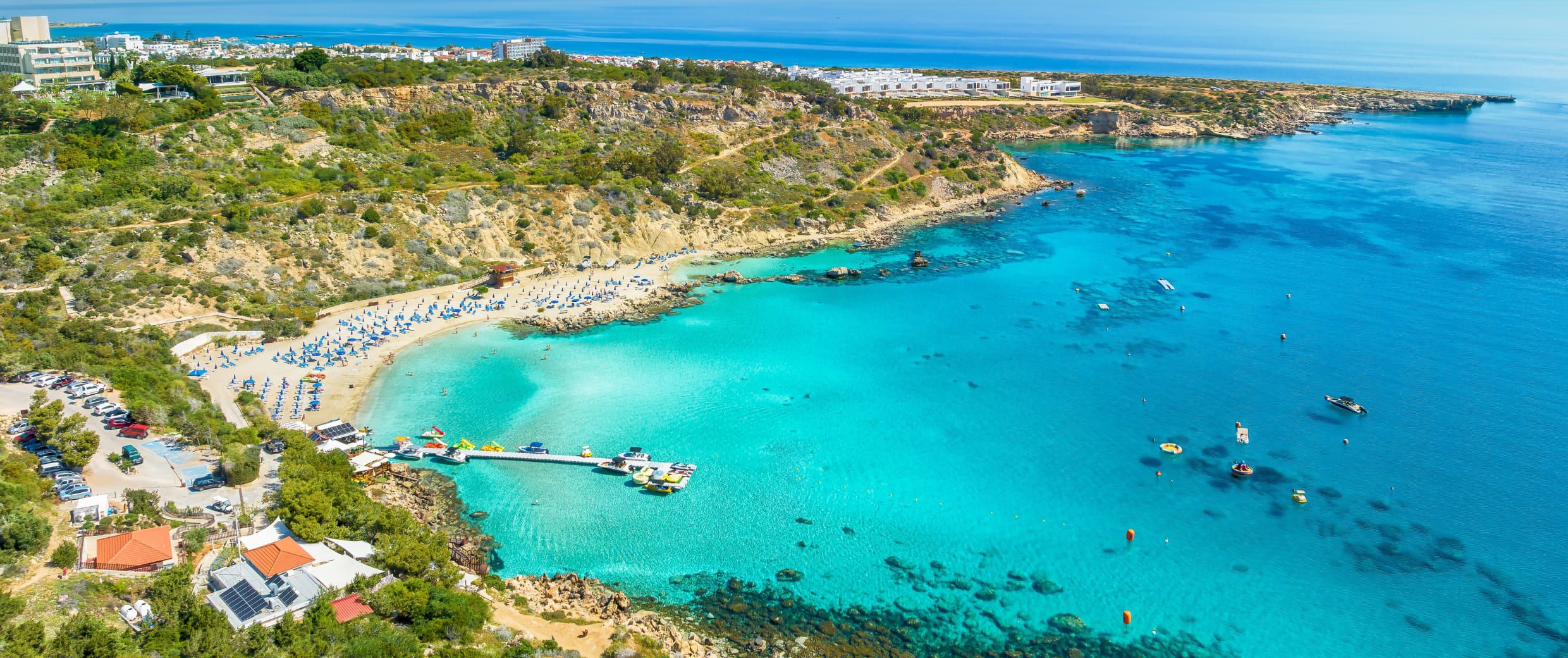
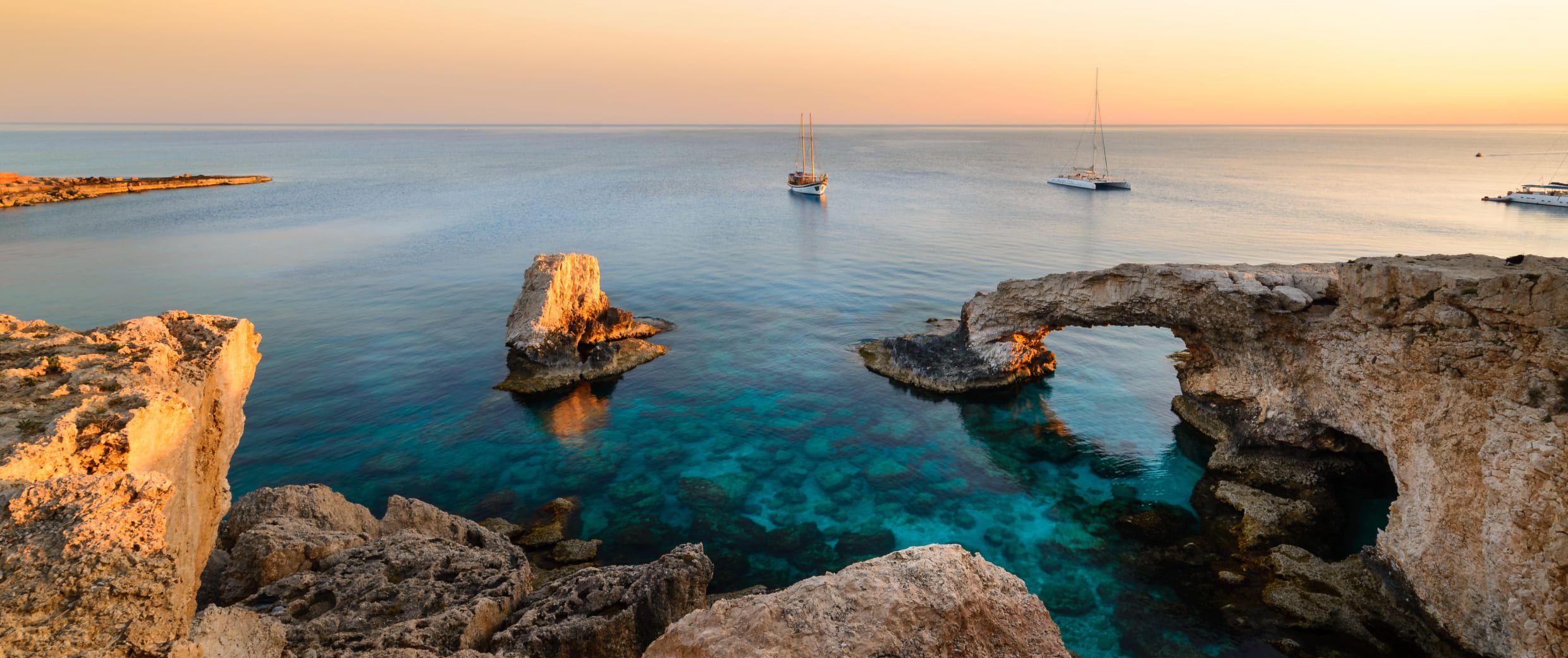
Cyprus is a stunning island country located in the eastern Mediterranean. It is considered to be one of the most popular tourist destinations in Europe due to its warm climate, beautiful beaches, and rich culture. Tourists can enjoy a wide range of activities such as swimming, diving, hiking, and exploring ancient ruins. One must-visit attraction is the famous Aphrodite's Rock, which is said to be the birthplace of the goddess of love. The island nation is also famous for its delicious cuisine, including fresh seafood, local wine, and traditional dishes like halloumi cheese. Additionally, the locals are known for their warm hospitality and friendliness towards tourists. Overall, Cyprus offers a unique blend of history, nature, and relaxation that makes it a perfect destination for any holiday.





Description made by ChatGPT
Food in Cyprus
Cyprus is a culinary paradise for foodies, and as a tourist, you cannot miss tasting the delicious Cypriot cuisine. The island's food is a fusion of Middle Eastern, Greek, and Turkish flavors, making it unique and delightful.
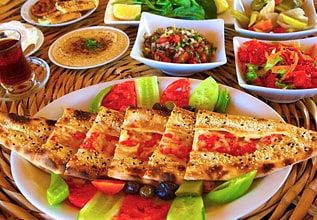
To start your gastronomic journey, you should try traditional meze, which is a selection of small dishes served as appetizers. The meze consists of dips, salads, grilled meats, and fish, and it's perfect for sharing among friends.
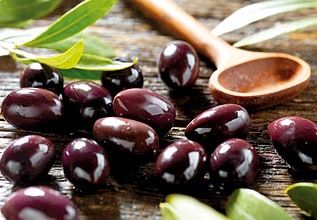
One must-try is the famous Halloumi cheese, a salty and squeaky cheese that is served grilled or fried. Make sure to pair it with fresh tomatoes, cucumbers, and olives for a refreshing salad.
For meat lovers, Kleftiko is a popular dish made from slow-cooked lamb or goat with herbs and potatoes wrapped in parchment paper or foil. It's a hearty and flavorful dish that will make you want to come back for more.
Seafood is also a must-try in Cyprus as the island is surrounded by the Mediterranean Sea. Some seafood dishes to savor are the traditional fish souvla, grilled octopus, and calamari.
Finally, you cannot leave Cyprus without indulging in some of its sweet treats. Loukoumades are fluffy, golden doughnuts dipped in honey syrup and topped with cinnamon and nuts. You can also try the traditional Christmas dessert, Melomakarona, which are honey and cinnamon cookies baked with walnuts.
Overall, Cypriot cuisine is diverse and flavorful, and there's something for every taste bud. You will undoubtedly enjoy exploring the island's culinary scene and trying out various dishes during your visit.
To start your gastronomic journey, you should try traditional meze, which is a selection of small dishes served as appetizers. The meze consists of dips, salads, grilled meats, and fish, and it's perfect for sharing among friends.
One must-try is the famous Halloumi cheese, a salty and squeaky cheese that is served grilled or fried. Make sure to pair it with fresh tomatoes, cucumbers, and olives for a refreshing salad.
For meat lovers, Kleftiko is a popular dish made from slow-cooked lamb or goat with herbs and potatoes wrapped in parchment paper or foil. It's a hearty and flavorful dish that will make you want to come back for more.
Seafood is also a must-try in Cyprus as the island is surrounded by the Mediterranean Sea. Some seafood dishes to savor are the traditional fish souvla, grilled octopus, and calamari.
Finally, you cannot leave Cyprus without indulging in some of its sweet treats. Loukoumades are fluffy, golden doughnuts dipped in honey syrup and topped with cinnamon and nuts. You can also try the traditional Christmas dessert, Melomakarona, which are honey and cinnamon cookies baked with walnuts.
Overall, Cypriot cuisine is diverse and flavorful, and there's something for every taste bud. You will undoubtedly enjoy exploring the island's culinary scene and trying out various dishes during your visit.
Description made by ChatGPT
Amazing places to visit in Cyprus
Cyprus is an enchanting island in the Mediterranean that boasts of beautiful beaches, stunning landscapes, rich history, and fascinating culture. There is so much to see and explore in this vibrant island nation that you will never run out of activities to do as a tourist.
The top attraction in Cyprus is its beautiful golden beaches, renowned for their crystal clear waters and golden sands. Nissi Beach, Fig Tree Bay, and Coral Bay are some of the popular beaches that attract tourists from all over the world. You can spend your days soaking up the sun, swimming, and taking part in various water sports activities like jet-skiing, parasailing, and more.
Cyprus also has incredible historical landmarks such as the ancient city of Kourion, which dates back to the 2nd century BC. The city is home to an impressive amphitheatre, Byzantine basilica, and Roman mosaics that are well preserved and open to the public.
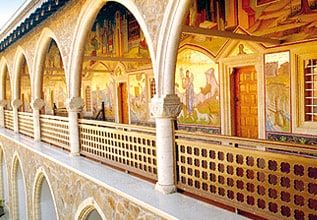
The island also has many beautiful monasteries and churches that showcase stunning architecture and intricate frescoes. St. Hilarion Castle, Kykkos Monastery, and the Tomb of the Kings are just some of the other popular tourist attractions in Cyprus that one should not miss.
In addition to the landmarks and historical sites, Cyprus also has numerous nature trails that take visitors through lush green forests, glistening waterfalls, and rugged landscapes. The Troodos Mountains, Akamas Peninsula, and the Avakas Gorge are some of the must-visit places for nature lovers.
In Cyprus, you can also indulge in local cuisine, which is known for its delicious mix of Mediterranean and Middle Eastern flavors. Some of the must-try dishes include kleftiko, souvlaki, moussaka, and stuffed grape leaves.
Overall, Cyprus is a beautiful and fascinating island that has a lot to offer for tourists. So, if you are looking for a place to visit that is full of history, culture, amazing scenery, and beautiful beaches, look no further than Cyprus!
The top attraction in Cyprus is its beautiful golden beaches, renowned for their crystal clear waters and golden sands. Nissi Beach, Fig Tree Bay, and Coral Bay are some of the popular beaches that attract tourists from all over the world. You can spend your days soaking up the sun, swimming, and taking part in various water sports activities like jet-skiing, parasailing, and more.
Cyprus also has incredible historical landmarks such as the ancient city of Kourion, which dates back to the 2nd century BC. The city is home to an impressive amphitheatre, Byzantine basilica, and Roman mosaics that are well preserved and open to the public.
The island also has many beautiful monasteries and churches that showcase stunning architecture and intricate frescoes. St. Hilarion Castle, Kykkos Monastery, and the Tomb of the Kings are just some of the other popular tourist attractions in Cyprus that one should not miss.
In addition to the landmarks and historical sites, Cyprus also has numerous nature trails that take visitors through lush green forests, glistening waterfalls, and rugged landscapes. The Troodos Mountains, Akamas Peninsula, and the Avakas Gorge are some of the must-visit places for nature lovers.
In Cyprus, you can also indulge in local cuisine, which is known for its delicious mix of Mediterranean and Middle Eastern flavors. Some of the must-try dishes include kleftiko, souvlaki, moussaka, and stuffed grape leaves.
Overall, Cyprus is a beautiful and fascinating island that has a lot to offer for tourists. So, if you are looking for a place to visit that is full of history, culture, amazing scenery, and beautiful beaches, look no further than Cyprus!
Description made by ChatGPT
Best time to travel
Cyprus is an island country located in the eastern Mediterranean, known for its beautiful beaches, stunning scenery, and rich history. It’s no surprise that tourism is a vital part of Cyprus’ economy. If you’re planning a trip to this beautiful island, the best time to visit will depend on your interests and preferences.
If you’re a beach lover, the best time to visit Cyprus is during the summer months, between June and September. The weather during this period is hot and sunny, perfect for swimming and sunbathing on the island’s glorious beaches. However, keep in mind that this is also the busiest time of year for tourism, and prices for flights and accommodation can be higher.
For those who prefer cooler weather, the best time to visit Cyprus is during the spring or autumn months, between March and May or September and November. The temperatures during this time are more moderate, making it the perfect time for outdoor activities such as hiking, cycling, and exploring the island’s many historic sites. The crowds are also smaller during these months, making it a more relaxed and peaceful time to visit.
If you’re interested in experiencing Cypriot culture, the best time to visit is during the many festivals and events that take place throughout the year. The most popular festivals include the Limassol Carnival in February, the Anthestiria Flower Festival in May, and the Cyprus Wine Festival in September. These events give visitors the opportunity to experience the country’s unique culture, music, and cuisine.
In conclusion, the best time to visit Cyprus really depends on your interests and preferences. Whether you prefer a busy summer vacation full of beach activities and nightlife, or a more relaxed and cultural trip during the spring or autumn months, Cyprus has something to offer everyone.
If you’re a beach lover, the best time to visit Cyprus is during the summer months, between June and September. The weather during this period is hot and sunny, perfect for swimming and sunbathing on the island’s glorious beaches. However, keep in mind that this is also the busiest time of year for tourism, and prices for flights and accommodation can be higher.
For those who prefer cooler weather, the best time to visit Cyprus is during the spring or autumn months, between March and May or September and November. The temperatures during this time are more moderate, making it the perfect time for outdoor activities such as hiking, cycling, and exploring the island’s many historic sites. The crowds are also smaller during these months, making it a more relaxed and peaceful time to visit.
If you’re interested in experiencing Cypriot culture, the best time to visit is during the many festivals and events that take place throughout the year. The most popular festivals include the Limassol Carnival in February, the Anthestiria Flower Festival in May, and the Cyprus Wine Festival in September. These events give visitors the opportunity to experience the country’s unique culture, music, and cuisine.
In conclusion, the best time to visit Cyprus really depends on your interests and preferences. Whether you prefer a busy summer vacation full of beach activities and nightlife, or a more relaxed and cultural trip during the spring or autumn months, Cyprus has something to offer everyone.
Description made by ChatGPT