


Sri Lanka
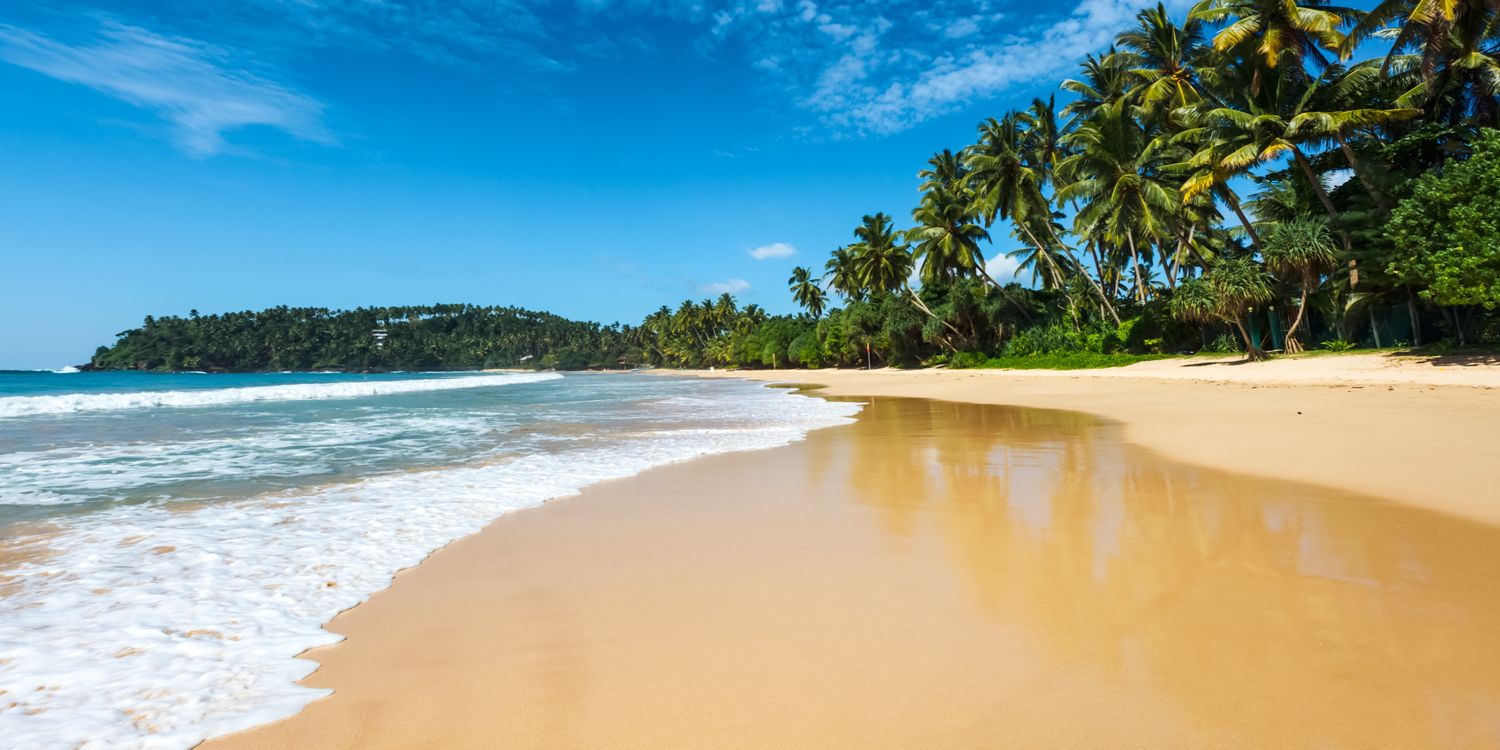
Sri Lanka is a beautiful destination for tourists looking for an exotic getaway. The country is known for its palm-lined beaches, ancient temples, wildlife reserves, and tea plantations. Visitors can enjoy activities such as surfing, snorkeling, and whale watching along the coastline, or explore the cultural and historical sites such as the Sigiriya Rock Fortress and Polonnaruwa ancient city. Wildlife enthusiasts can also visit the Yala National Park to spot leopards, elephants, and other rare animals. Another must-see attraction is the scenic train ride through the lush green tea plantations of the central highlands. With its rich culture and natural beauty, Sri Lanka is a must-visit destination for any traveler.
Food in Sri Lanka
As a tourist in Sri Lanka, you will have a plethora of delicious food options to choose from. Sri Lankan cuisine is a unique blend of spices and flavors with influences from India, Malaysia, and the Netherlands. Here are some dishes you should definitely try during your visit:
1. Rice and curry: This is the staple dish in Sri Lanka. It includes a plate of steaming hot rice with several small bowls of curries. The curries can be vegetarian or meat-based and are usually very spicy.
2. Kottu Roti: This is a popular street food in Sri Lanka. It consists of chopped up roti bread mixed with vegetables, eggs, and various spices. It can be served with chicken or beef, and is extremely satisfying.
3. Hoppers: These are bowl-shaped pancakes made from rice flour and coconut milk. They can be either sweet or savory and are quite addictive.
4. Pol Sambol: This is a spicy coconut chutney that is served with almost every meal in Sri Lanka. It is made with freshly grated coconut, red onions, and chili flakes.
5. Fish Curry: Sri Lanka is an island nation, so seafood is a big part of the cuisine. The fish curry is usually cooked with coconut milk and a range of spices that make it one of the most flavorful curries.
6. String Hoppers: These are thin noodles made out of rice flour, which are then steamed and served with a coconut milk gravy.
7. Woodapple Juice: This is a refreshing drink that is made from the fruits of the woodapple tree. It has a tangy, sweet taste that is perfect for quenching your thirst on a hot day.
In conclusion, Sri Lanka has a unique and delicious culinary culture that is sure to satisfy any food-lover. Be sure to try the local dishes listed above for an unforgettable dining experience.
Amazing places to visit in Sri Lanka
Sri Lanka is a beautiful island nation in South Asia known for its stunning beaches, cultural attractions, ancient ruins, and natural beauty. A trip to Sri Lanka offers you plenty of things to see that will leave you in awe of this wonderful country. Here are some of the top places you should consider visiting during your Sri Lanka trip.
First on the list is Sigiriya, an ancient rock fortress situated 200 meters above the surrounding plain. It is a UNESCO World Heritage Site and offers stunning views of the lush greenery in the backdrop.
Secondly, you should visit the ancient city of Anuradhapura which has numerous temples, palaces, and gardens, dating back to the 10th century BC.
For the beach lovers, Mirissa is one of Sri Lanka's most picturesque beach towns. It's a popular destination where you can get up close with blue whales and dolphins while enjoying the stunning sandy beaches.
In Kandy, you can explore the Temple of the Sacred Tooth Relic, which is the most important Buddhist site in the country. Also, don't miss out on the opportunity to take a train ride from Kandy to Ella, which is one of the most scenic train journeys in the world.
Lastly, the Yala National Park is a must-visit wildlife destination that boasts an incredibly diverse range of animals that you can't see anywhere else, including leopards, elephants, and water buffalo.
These are just a few of the many things you can see in Sri Lanka as a tourist. There's so much more to discover in this amazing country, including tea plantations, colonial buildings, and beautiful hiking routes. Whatever your interest, Sri Lanka has it all!
Best time to travel
Sri Lanka is a tropical paradise that boasts of a diverse range of attractions perfect for tourists of all interests. The island nation enjoys a warm and sunny climate throughout the year with temperatures averaging around 27-30°C. However, the best time to visit Sri Lanka for tourists is between December to April when the weather is the most pleasant and dry.
During this period, the northern and eastern coasts of the island are particularly spectacular, offering crystal clear waters ideal for swimming, snorkelling, and diving. The cultural triangle, consisting of ancient cities like Anuradhapura, Polonnaruwa, and Sigiriya, is also at its best at this time of year, with little rain and sunny weather enhancing the experience of exploring these UNESCO World Heritage sites.
On the other hand, from May to September, the southwest coast of Sri Lanka receives frequent monsoonal rains, making it an unfavorable time for beach activities. Nevertheless, for those who want to experience a quieter and more affordable travel season, this time of year can be an excellent choice.
Overall, the best time to visit Sri Lanka for tourists is during the dry season, between December and April. However, with its tropical climate and evergreen landscapes, Sri Lanka is a destination that can be enjoyed year-round, making it an excellent place for visitors to explore and experience its charm and diversity no matter when they choose to visit.