
Tunisia
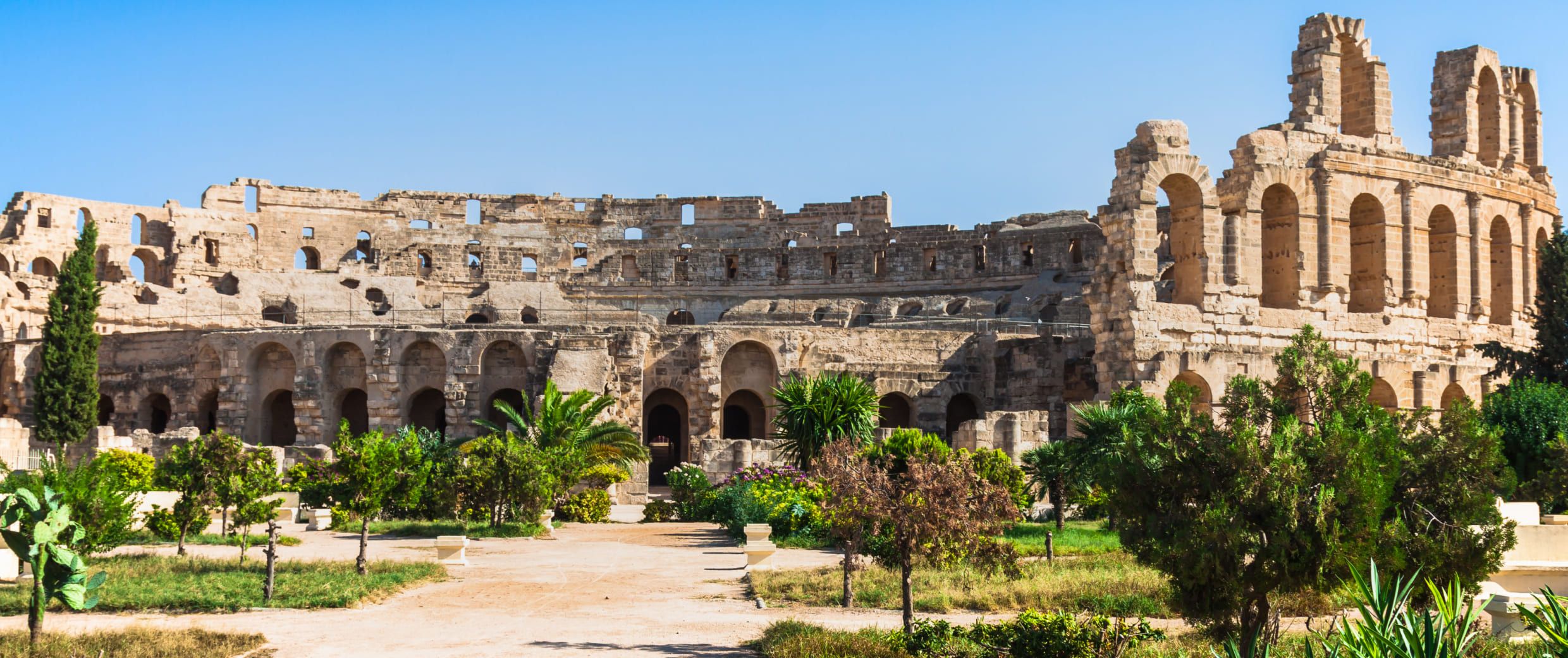
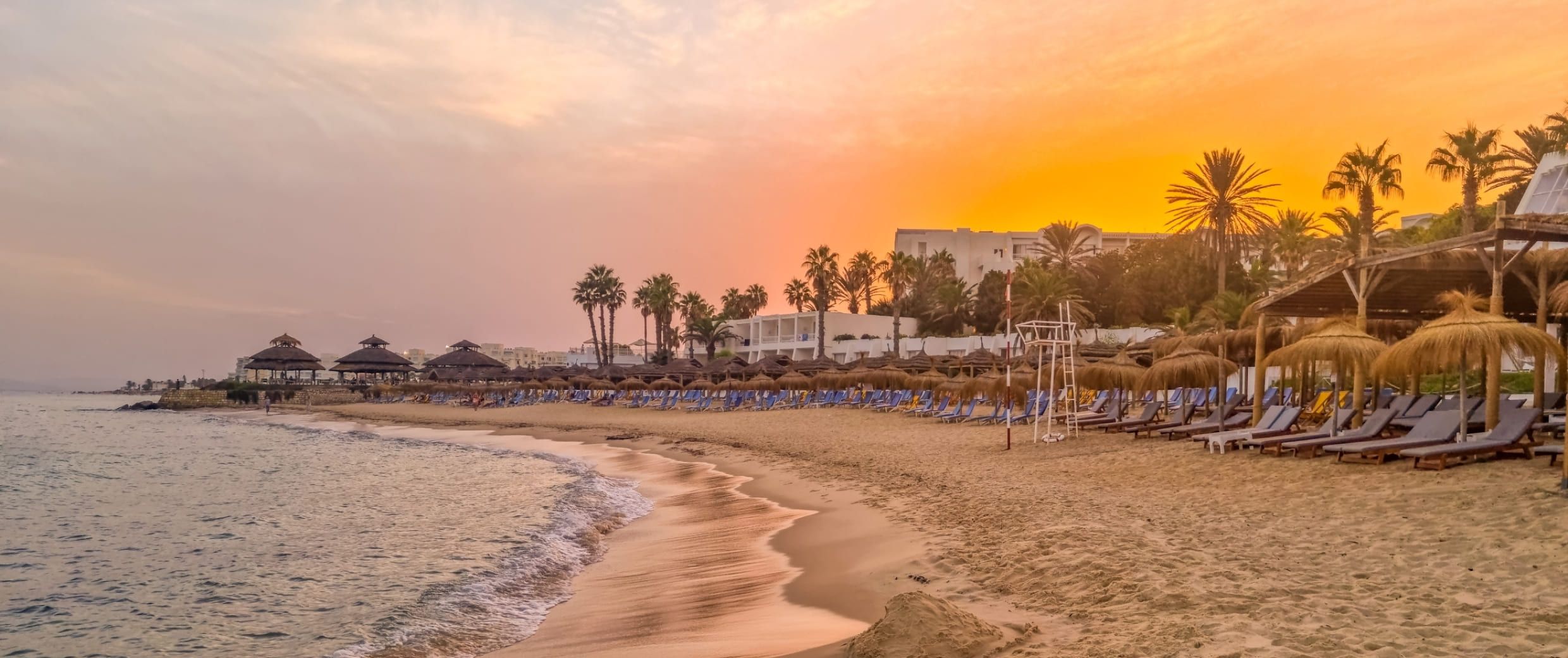
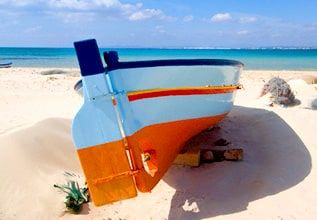
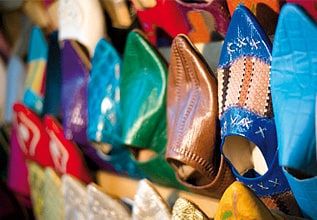
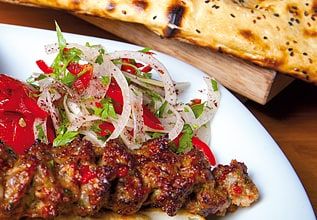
Tunisia is a breathtakingly beautiful country located in North Africa. It is a hub of vibrant culture, rich history, and beautiful picturesque scenery. The country is famous for its fine beaches, stunning desert plains, and the beautiful Mediterranean Sea. Tunisia is a land of ancient ruins, from the world-famous Carthage to the beautiful El Jem amphitheatre, and the Bardo National Museum. The country is famous for its delectable cuisine, which is a blend of Mediterranean and North African influences. Tunisia has a range of culinary delicacies to offer, starting from the traditional couscous to the popular Brik pastry. The country is also famous for its souks (markets) which offer beautiful handicrafts at affordable prices. Tunisia, without a doubt, is a perfect holiday destination for those who want to experience a unique and exotic blend of culture, history, and adventure.



Description made by ChatGPT
Food in Tunisia
When visiting Tunisia, there are a few dishes that tourists must try. Tunisian cuisine is influenced by Berber, Mediterranean, and Arabic cuisine, which results in a unique fusion of flavors that are sure to tantalize your taste buds.
One of the most popular dishes in Tunisia is couscous. This traditional Berber dish is made up of steamed semolina grains that are served with a stew made from meat or vegetables. It's a staple dish in Tunisia and is often served during important events or celebrations.
Another dish that is a must-try in Tunisia is brik. These are thin pastry sheets that are stuffed with a variety of fillings, such as egg, tuna, cheese, or meat. Brik is usually deep-fried until it's crispy on the outside, making it a delicious and satisfying snack.
Harissa is another essential ingredient in Tunisian cuisine. It's a spicy paste made from chili peppers, garlic, olive oil, and various spices. Harissa is typically served as a dipping sauce or used as a condiment for sandwiches and traditional Tunisian dishes.
Finally, seafood is a must-try in Tunisia, given its location along the Mediterranean Sea. Grilled squid, shrimp, and fish are commonly found on menus, all cooked in Tunisian spices and herbs.
Overall, the cuisine in Tunisia is a delightful mix of flavorful and spicy ingredients that are sure to wow any tourist. So be sure to try out some of these Tunisian dishes when you visit this beautiful country.
One of the most popular dishes in Tunisia is couscous. This traditional Berber dish is made up of steamed semolina grains that are served with a stew made from meat or vegetables. It's a staple dish in Tunisia and is often served during important events or celebrations.
Another dish that is a must-try in Tunisia is brik. These are thin pastry sheets that are stuffed with a variety of fillings, such as egg, tuna, cheese, or meat. Brik is usually deep-fried until it's crispy on the outside, making it a delicious and satisfying snack.
Harissa is another essential ingredient in Tunisian cuisine. It's a spicy paste made from chili peppers, garlic, olive oil, and various spices. Harissa is typically served as a dipping sauce or used as a condiment for sandwiches and traditional Tunisian dishes.
Finally, seafood is a must-try in Tunisia, given its location along the Mediterranean Sea. Grilled squid, shrimp, and fish are commonly found on menus, all cooked in Tunisian spices and herbs.
Overall, the cuisine in Tunisia is a delightful mix of flavorful and spicy ingredients that are sure to wow any tourist. So be sure to try out some of these Tunisian dishes when you visit this beautiful country.
Description made by ChatGPT
Amazing places to visit in Tunisia
Tunisia is a beautiful country in North Africa with a rich mix of cultural, historical and natural attractions that make it an excellent destination for tourists. As a tourist, one of the first places to visit is the capital city of Tunis, which offers a blend of Islamic and Romanesque architecture, as well as plenty of museums that showcase the country's history.
Another interesting site is the Bardo Museum, which is the largest and most impressive museum in the country. It houses some of the most exquisite ancient Roman mosaics dating back to the third century. The museum offers both guided and self-guided tours, making it a perfect destination for visitors who want to explore the country's artistic heritage.
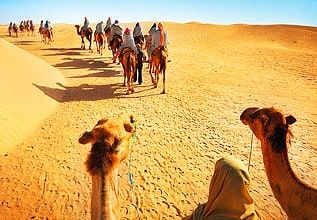
For nature enthusiasts, they should head to the Sahara Desert, which is the largest hot desert in the world. There are several tour operators in Tunisia, who offer desert outings to visitors who want to experience the thrill of winding through great sand dunes that extend for miles on end. Visitors can also experience camel trekking, camping at night and stargazing.
Another attraction to experience is the Carthage, which is a UNESCO World Heritage site dating back to the second century. The ancient city offers ruins of ancient Roman villas, a museum, and a broad range of archeological sites, which visitors can explore and learn more about the civilizations that existed thousands of years ago.
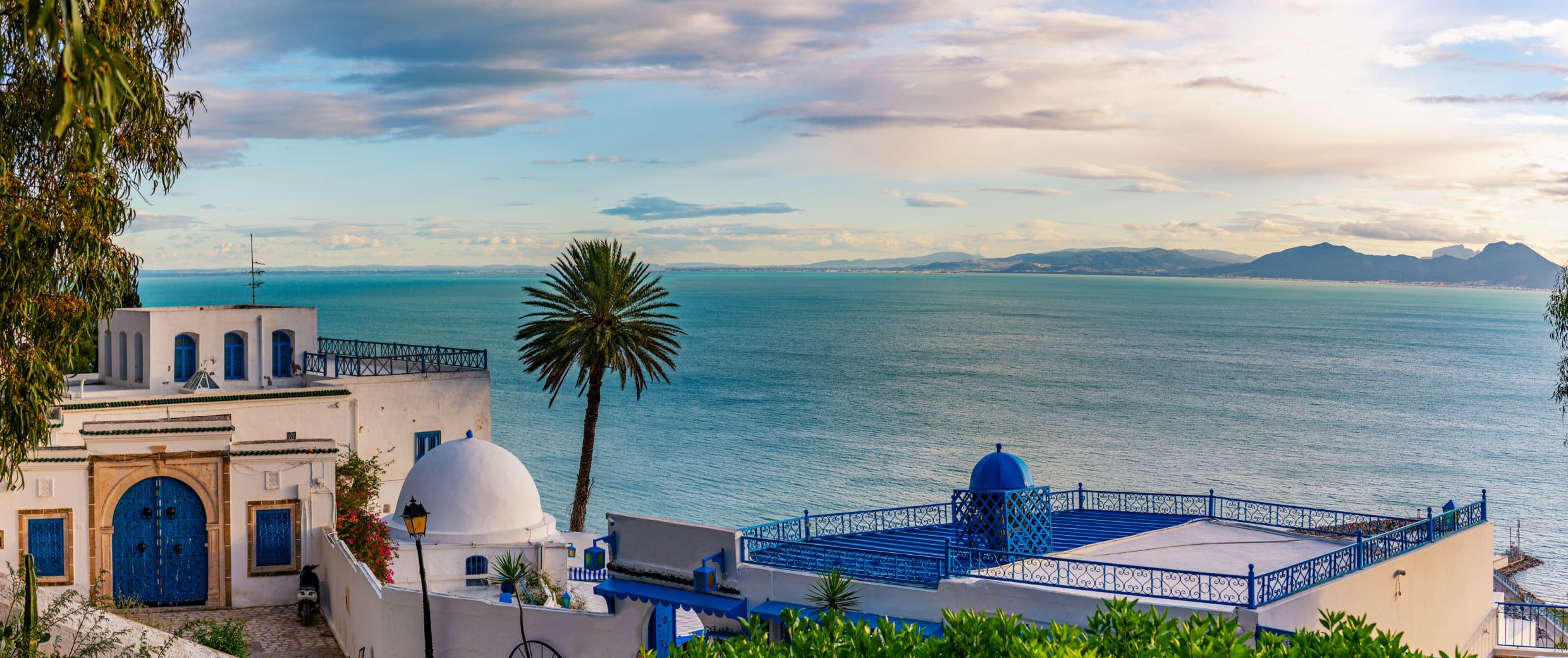
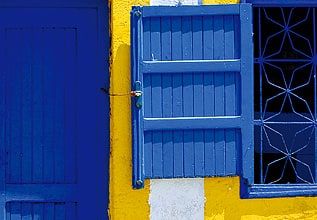
Finally, we cannot forget to mention Sidi Bou Said, a beautiful and charming village located in the Northern part of the Tunisian capital. Its white-washed buildings, blue doors, and breathtaking views of the Mediterranean sea make it a unique attraction for tourists from around the world. Visitors can also walk through the narrow streets, take photographs, and interact with locals who are friendly and welcoming.
In conclusion, Tunisia is indeed a country with plenty of attractions to offer to visitors. Whether you are interested in history, culture, nature, or just relaxing in a beautiful atmosphere, Tunisia has something to offer. So, if you ever plan to visit Tunisia, make sure to include these must-see destinations on your itinerary.
Another interesting site is the Bardo Museum, which is the largest and most impressive museum in the country. It houses some of the most exquisite ancient Roman mosaics dating back to the third century. The museum offers both guided and self-guided tours, making it a perfect destination for visitors who want to explore the country's artistic heritage.
For nature enthusiasts, they should head to the Sahara Desert, which is the largest hot desert in the world. There are several tour operators in Tunisia, who offer desert outings to visitors who want to experience the thrill of winding through great sand dunes that extend for miles on end. Visitors can also experience camel trekking, camping at night and stargazing.
Another attraction to experience is the Carthage, which is a UNESCO World Heritage site dating back to the second century. The ancient city offers ruins of ancient Roman villas, a museum, and a broad range of archeological sites, which visitors can explore and learn more about the civilizations that existed thousands of years ago.
Finally, we cannot forget to mention Sidi Bou Said, a beautiful and charming village located in the Northern part of the Tunisian capital. Its white-washed buildings, blue doors, and breathtaking views of the Mediterranean sea make it a unique attraction for tourists from around the world. Visitors can also walk through the narrow streets, take photographs, and interact with locals who are friendly and welcoming.
In conclusion, Tunisia is indeed a country with plenty of attractions to offer to visitors. Whether you are interested in history, culture, nature, or just relaxing in a beautiful atmosphere, Tunisia has something to offer. So, if you ever plan to visit Tunisia, make sure to include these must-see destinations on your itinerary.
Description made by ChatGPT
Best time to travel
Tunisia is country that boasts of a warm, sunny and dry climate, the perfect weather for tourists. The best time to visit Tunisia is during the months of March to May, and September to November when the temperature is mild and the crowds are less. During these months, tourists can enjoy the country's historic sites, including the ancient Roman ruins, lazy days at the beach, and the vibrant culture of the country.
During the summer months from June to August, the temperatures can be scorching hot, and the beaches and resorts are crowded with tourists. However, if you prefer the beach and the sea, this is the perfect time to visit Tunisia.
During the winter months from December to February, Tunisia can be quite chilly, especially in the north of the country, and some sites may be closed for the season. However, the country does come alive during the holiday season with many festivities, making it a great time to enjoy the culture, traditions and Christmas markets.
In conclusion, the best time to visit Tunisia for tourists is during the shoulder seasons of March to May and September to November when the crowds are less, and the weather is mild. No matter when you visit, you'll find a country rich in history, culture, and landscapes.
During the summer months from June to August, the temperatures can be scorching hot, and the beaches and resorts are crowded with tourists. However, if you prefer the beach and the sea, this is the perfect time to visit Tunisia.
During the winter months from December to February, Tunisia can be quite chilly, especially in the north of the country, and some sites may be closed for the season. However, the country does come alive during the holiday season with many festivities, making it a great time to enjoy the culture, traditions and Christmas markets.
In conclusion, the best time to visit Tunisia for tourists is during the shoulder seasons of March to May and September to November when the crowds are less, and the weather is mild. No matter when you visit, you'll find a country rich in history, culture, and landscapes.
Description made by ChatGPT